
In this article
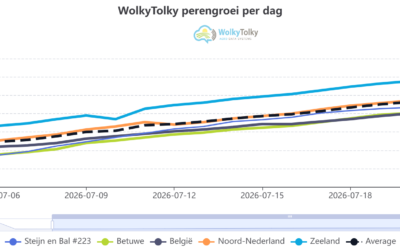
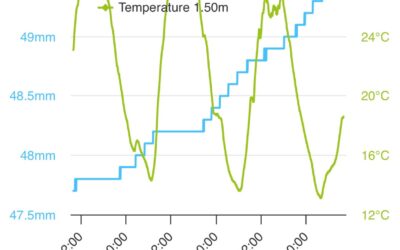
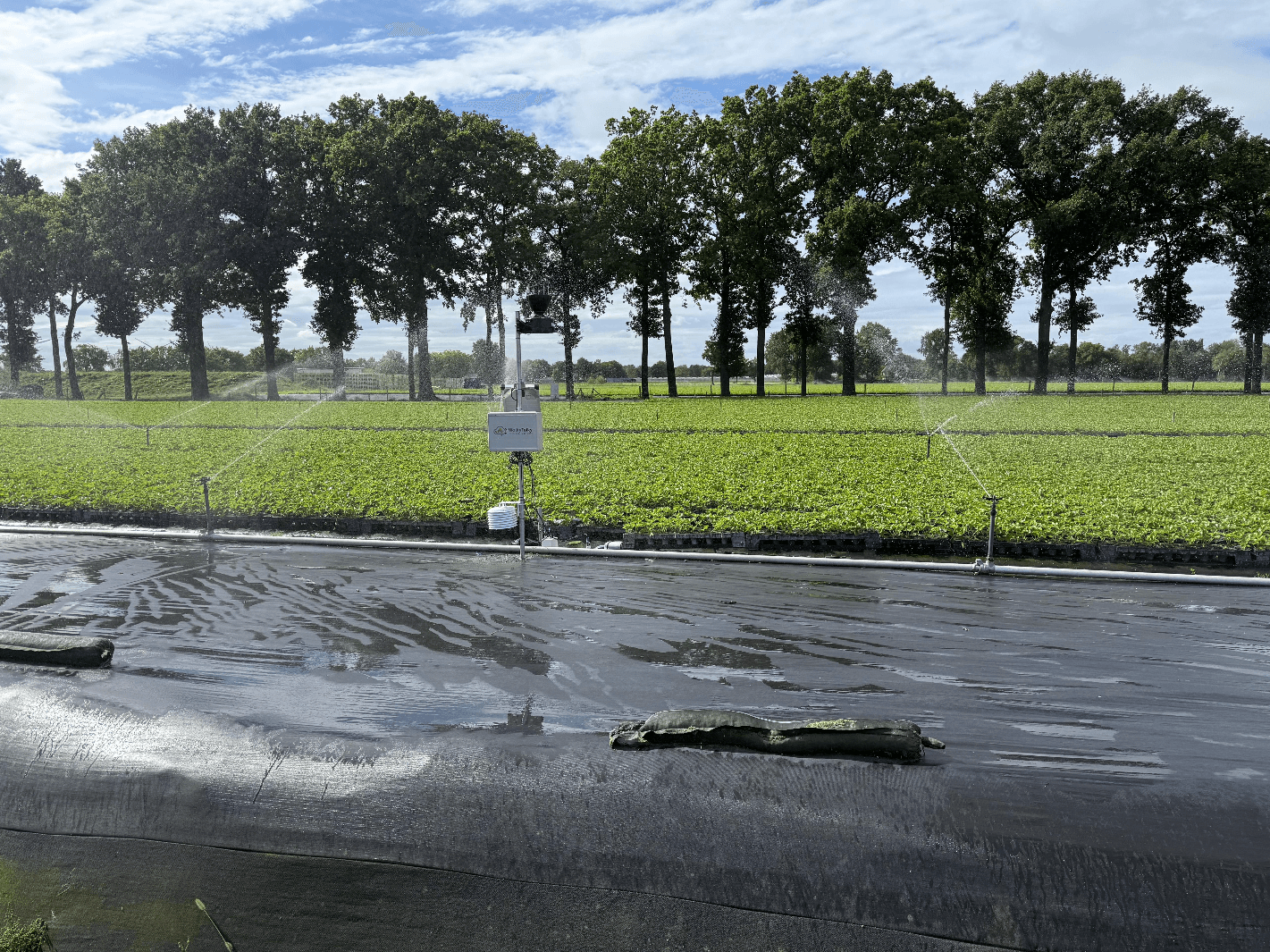
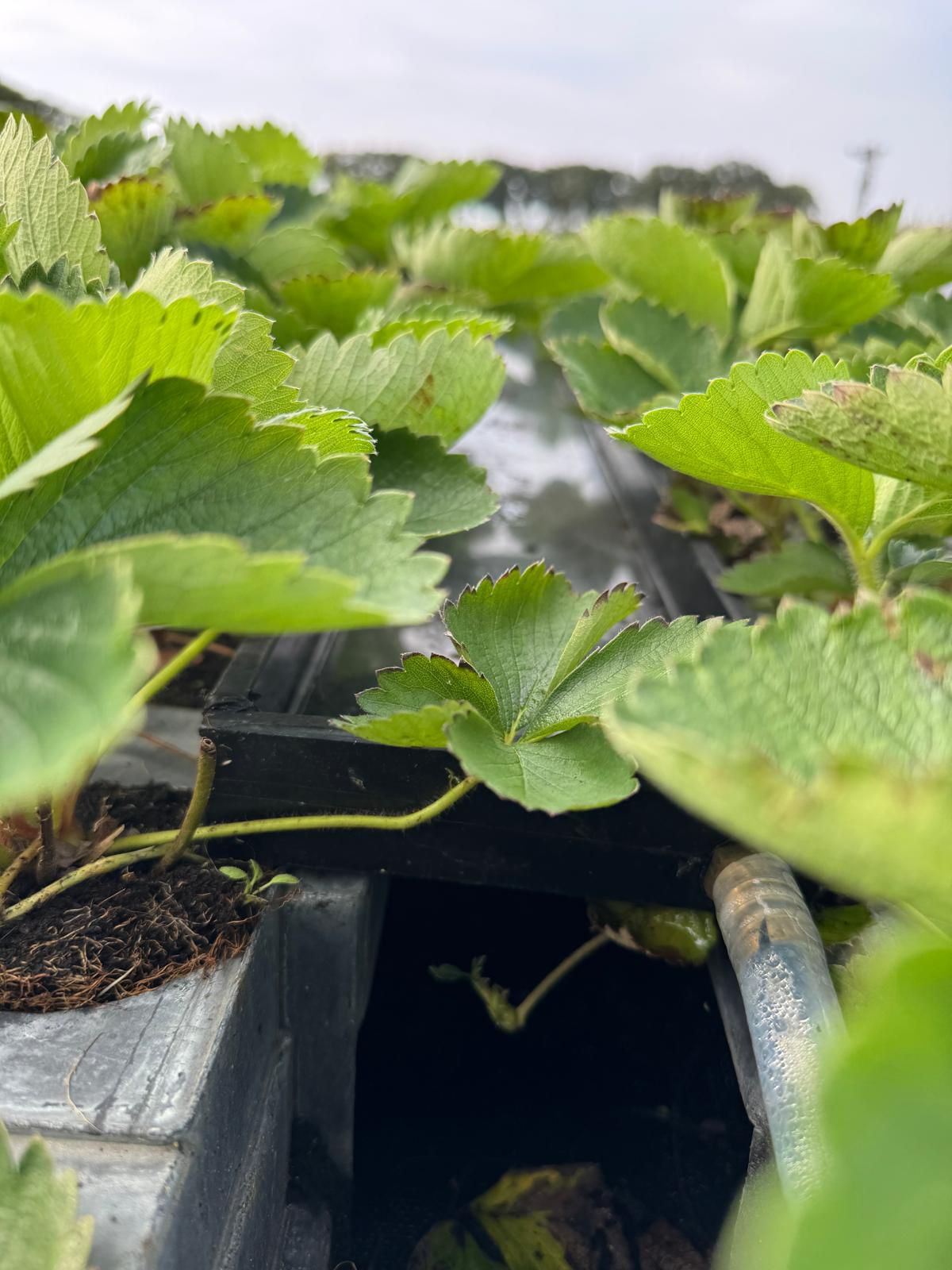
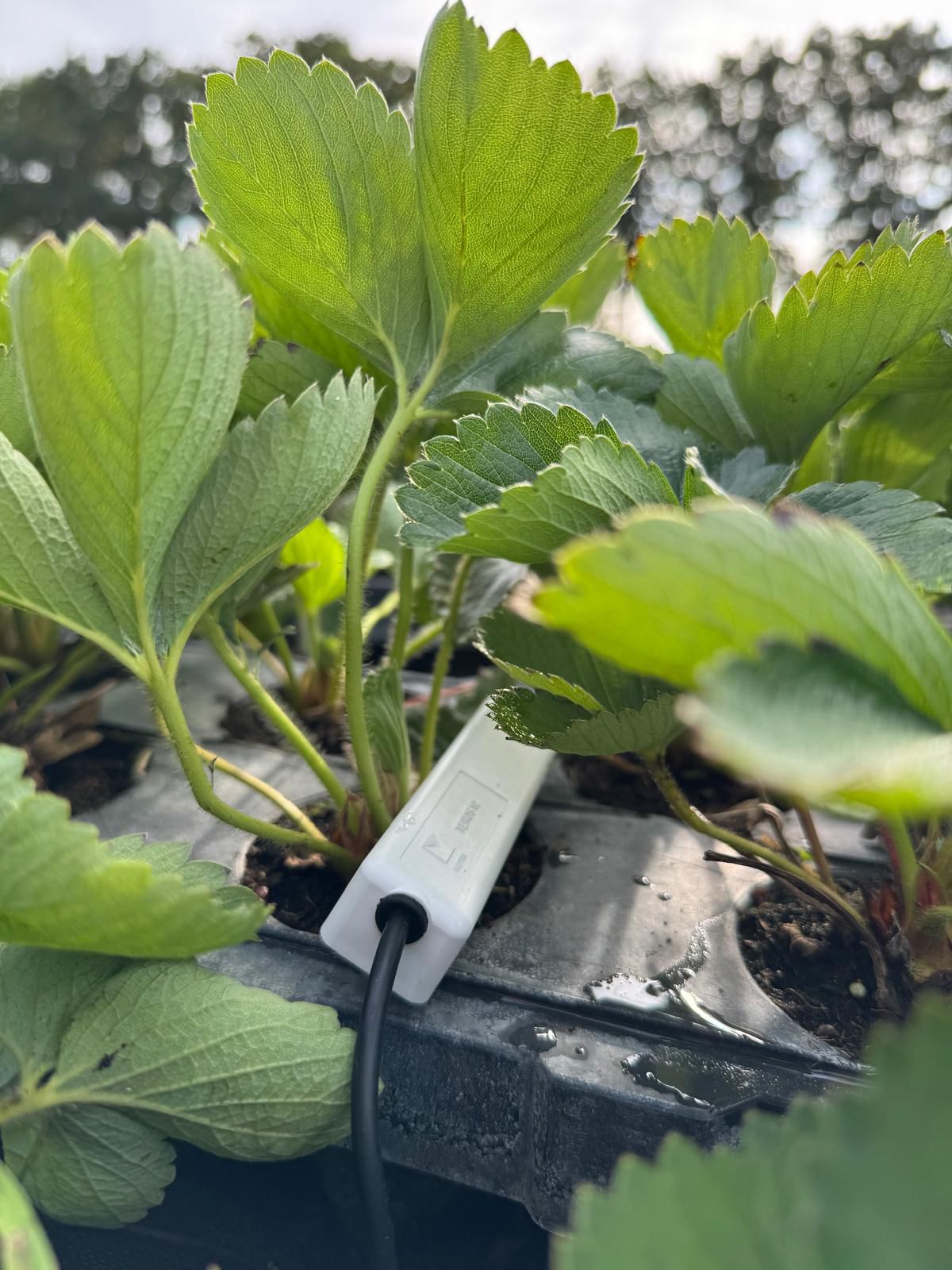
Our Drain Monitoring System has been successfully installed in a propagation field for strawberry tray plants. This extends the use of our monitoring to the propagation phase: growers can now continuously follow irrigation, drain (runoff), conductivity (EC), acidity (pH), volumetric water content (VWC%) and temperature in the tray. Aim: more precise control, less leaching and a more stable root zone for uniform, strong young plants.
What do we measure continuously – and why does it matter in propagation?
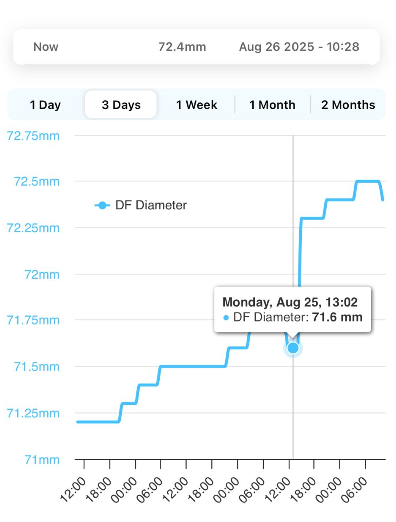
- Irrigation and drain from the trays
Better view of the irrigation window and of preventing excessive leaching. - EC and pH of the water supplied
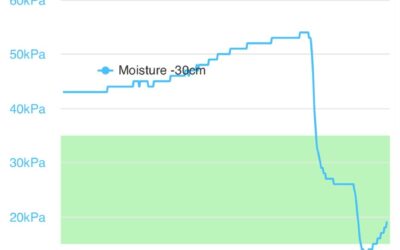
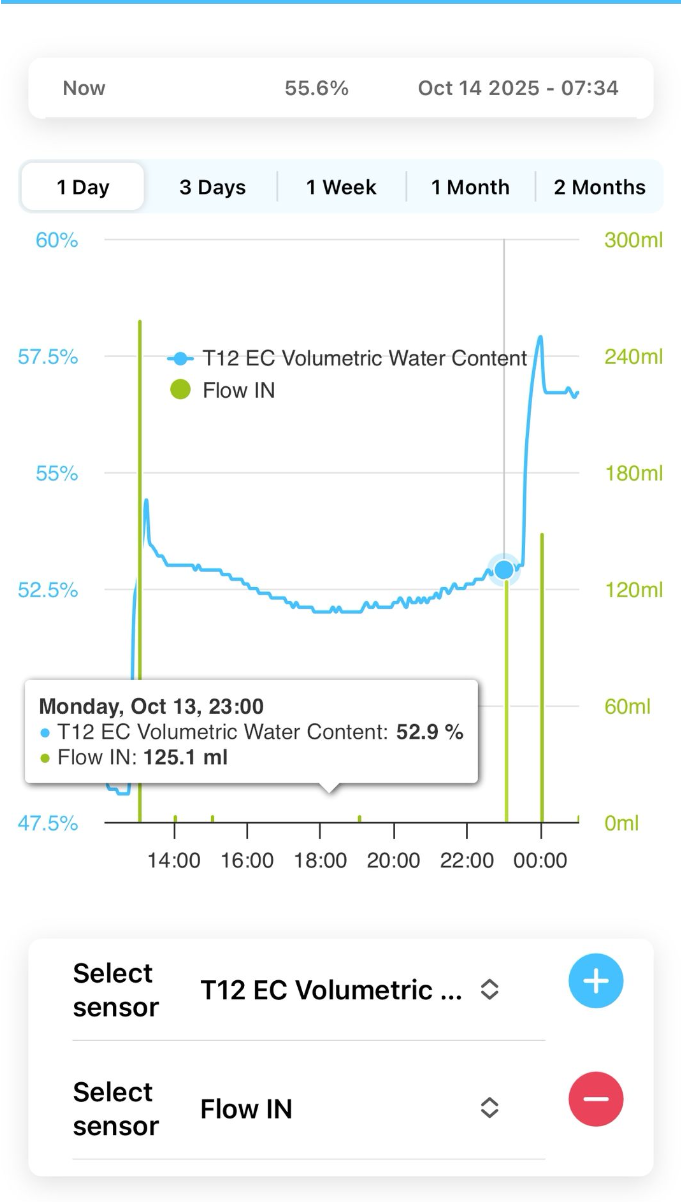
A grip on the supply EC and a lower risk of salt stress in young plants. - In the tray: VWC% (moisture content), EC and root zone temperature
A calmer root zone and a predictable response to irrigation cycles and rain showers.
First insights from practice
-
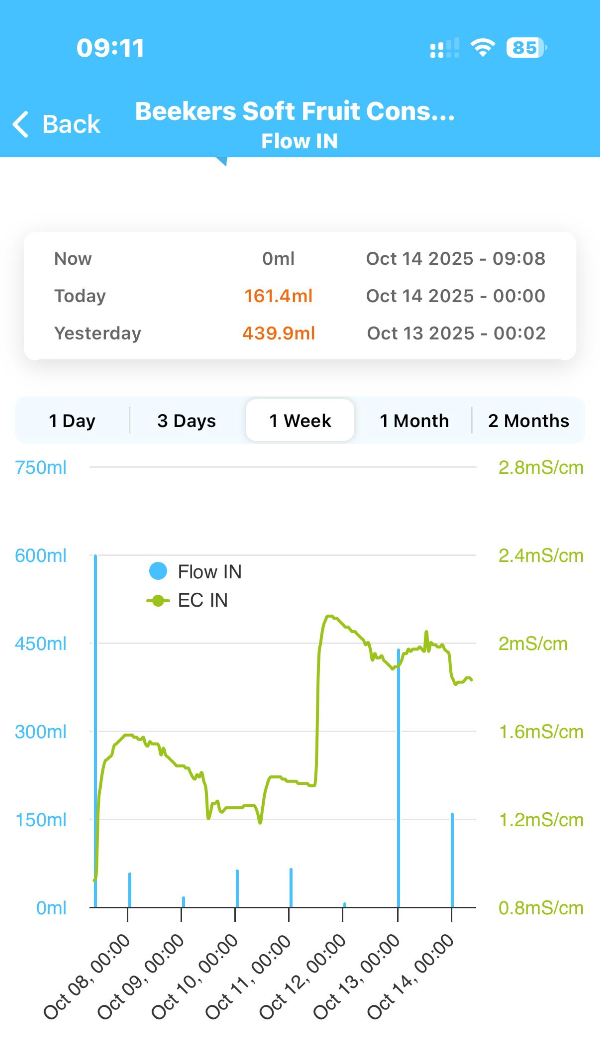
EC control carries through into the tray
By adjusting the EC of the water supplied, the EC in the root zone stays calmer and peaks are smoothed out. Young roots grow more consistently. -
Drain measurement narrows the irrigation window
You see exactly when too much water is being given. This helps limit leaching. -
Fertilising with the field sprayer: rinsing in afterwards is essential
When fertilising through the field sprayer, nutrients are dissolved to a relatively high EC and spread evenly. Sufficient irrigation afterwards:- dilutes salts safely in the root zone,
- prevents the supply EC from arriving too high,
- and makes sure the EC in the tray drops and stabilises in a controlled way.
-
Rain showers: steering on facts
The EC sensor in the tray shows straight away what a shower does. If the EC drops sharply, (partial) leaching has occurred: extra feeding or a higher supply EC may be needed. If the EC stays at level, nutrients have been retained and the schedule can continue.
Approach and collaboration
This setup was developed and carried out by WolkyTolky in collaboration with Beekers Soft Fruitconsult (part of Berry Consultancy Group), in the person of Marcel Beekers.
- WolkyTolky supplies the Drain Monitoring System (hardware + sensors), the connections and the dashboard.
- The grower decides the irrigation and fertilisation strategy in consultation with the adviser, including ranges and alarm limits.
- Events such as irrigation cycles, recipe changes and rain showers are marked in the dashboard, so cause and effect are clearly visible and shareable.
What does this mean for your propagation?
Propagation no longer depends on separate snapshots. You see straight away:
- what an irrigation cycle does to VWC%,
- how the EC in the root zone responds,
- and when drain occurs.
Key lessons so far: careful rinsing in afterwards and smoothing out EC peaks keep the root zone calm and limit leaching; thanks to EC measurements, rain showers become predictable moments instead of surprises.
Are you a (tray) plant grower and do you want to steer your propagation on more data? Plan a pilot in your propagation field or request a demo or intake conversation to explore how this approach can be used at your business and what insights it delivers.